
AI has quickly moved beyond chatbots and simple writing tools. Today, businesses are starting to explore AI agents: software tools that can take action on behalf of a user, follow workflows, pull information from connected systems, and help complete routine tasks. For small and mid-sized businesses, that creates real opportunity, but it also brings new questions around security, access, oversight and readiness. Before letting AI take action inside your business systems, it is important to ask is your business ready for AI agents?
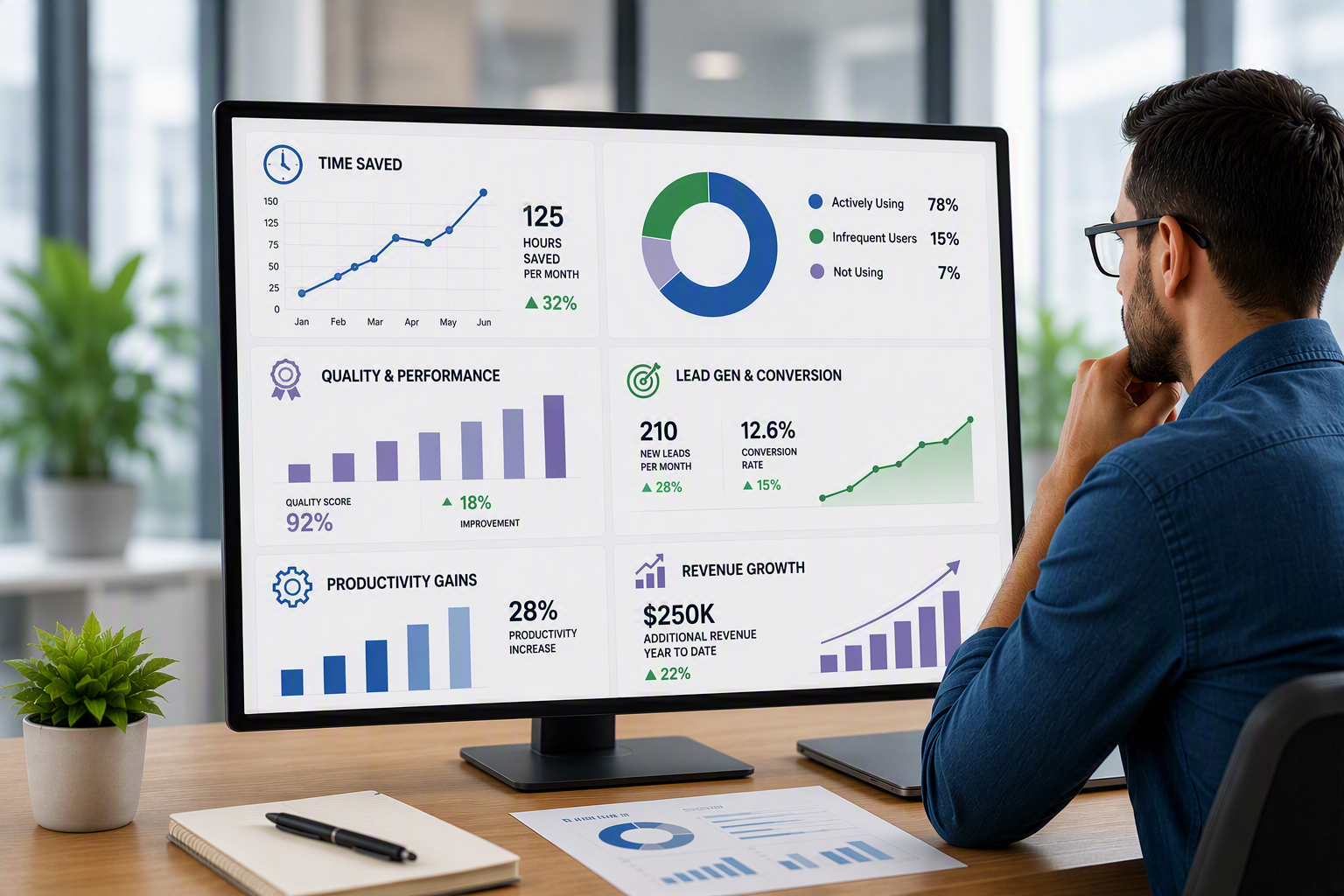
AI agents can deliver meaningful operational efficiency when they are implemented with the right controls. For lean teams, they can reduce repetitive work, accelerate response times, and help employees retrieve or summarize information across approved systems. The value is not simply automation; it is disciplined automation that improves productivity while maintaining control over data, access, and business risk.
Many businesses are already using AI to draft emails, summarize meetings, brainstorm ideas, or create content. AI agents go further. Instead of only responding to a prompt, an AI agent may operate across connected applications, interpret workflow context, and recommend or initiate an action. For example, if a customer emails a new phone number, an AI agent could identify the update, validate the request against business rules, and prepare the customer record change for human approval.
That is why preparation matters. Once AI tools are connected to business systems, they become part of the organization’s technology and security environment. If an agent can access customer information, internal documents, financial records, or operational workflows, leadership must understand what it can see, what it can change, how permissions are enforced, who approves sensitive actions, and how activity is logged and monitored.
Small and mid-sized businesses are under constant pressure to do more with limited time, staff, and budget. AI agents are attractive because they can reduce manual effort and support employees who are already stretched thin. However, ease of deployment should not be confused with operational readiness. Even user-friendly AI tools require governance, security review, and clear ownership before they are introduced into day-to-day business processes.
Readiness is not just about whether employees can use the tool. It is about whether the business has the right technical foundation in place. An AI agent can act faster than a person and may interact with multiple systems at once, which makes identity controls, permission management, logging, employee training, and human review essential. Without those safeguards in place, a small configuration issue can quickly become an operational, compliance, or security exposure.
Before introducing AI agents into a business environment, leadership should evaluate the use case, the data involved, and the controls required to manage the risk. Start with these questions:
Before enabling AI agents, confirm that your business has:
Many SMBs already have pieces of AI incorporated into their environment. Employees may be using AI features built into everyday platforms, tools, and software, sometimes without leadership having full visibility into which tools are being used or what information is being shared. That lack of visibility can make it difficult to manage risk, enforce policies, and understand where AI is already touching business data
This is where AI agent readiness becomes more than a technology conversation. It becomes a business risk and governance conversation. If an agent is connected to outdated systems, poorly structured data, weak access controls, or unclear employee policies, it may amplify existing weaknesses instead of improving operations. Business owners should approach AI agents the same way they would onboard a privileged user or a new business application: define what systems they can access, what tasks they can perform, what controls apply, and who is responsible for oversight.
Preparing for AI agents starts with visibility. Businesses should take inventory the tools employees already use, identify where AI features are active, and determine what data those tools can access. From there, they should review user permissions, strengthen multi-factor authentication, confirm vendor security practices, create employee guidance, and define which tasks are appropriate for AI assistance.
Clear boundaries are critical. An AI agent may be appropriate for summarizing information, drafting routine responses, or helping employees find approved resources. It should not have unrestricted access to sensitive data or the ability to make major business decisions without review. Responsible AI use and human oversight should be built into the process from the beginning, especially for businesses that do not yet have a formal AI policy. The objective is not to slow innovation; it is to adopt AI in a controlled manner that protects the business, supports employees, and strengthens operations.
AI agents have the potential to help SMBs work smarter, respond faster, and make better use of limited resources. But they should be treated as powerful business tools that require planning, oversight, and governance. Organizations that rush to enable every new AI capability may introduce unnecessary risk. The stronger approach is to identify where AI fits, confirm how it adds value, define the required safeguards, and roll it out in a way that is secure, measurable, and aligned with business goals.
Many business owners recognize that AI can create new opportunities, but they may not know where to begin or how to evaluate the risks. DDKinfotech can help your organization assess your current technology environment, identify practical AI use cases, review access and security controls, and build a responsible AI adoption strategy. If your business is exploring AI agents, we can help you determine where they make sense, what safeguards should be in place, and how to move forward with confidence and responsibly. Contact DDKinfotech to start the conversation.